Condolence Message on Death of Sister: Compassionate Ways to Express Sympathy
condolence message on death of sister - crafting the right words during such an incredibly difficult time requires genui...


Condolence message to a husband who lost his wife - finding the right words to express your sorrow is a delicate task that requires both empathy and sincerity. When a man loses his spouse, he is navigating one of the most profound losses a human can experience. Providing a thoughtful condolence message to a husband who lost his wife can offer him a sense of connection when he feels most isolated. This guide provides practical advice and examples to help you convey your heartfelt sympathy effectively.
Sending a message of sympathy is more than just a social obligation; it is a vital act of communal support. When you offer a condolence message to a husband who lost his wife, you acknowledge the significance of his loss. Your words validate his pain and remind him that his partner was cherished by others.
The grieving process is unpredictable and deeply personal. By reaching out with a sincere note or card, you provide a tangible reminder of care. Even if you feel your words are inadequate, the effort to reach out signifies that he is not walking this path alone.
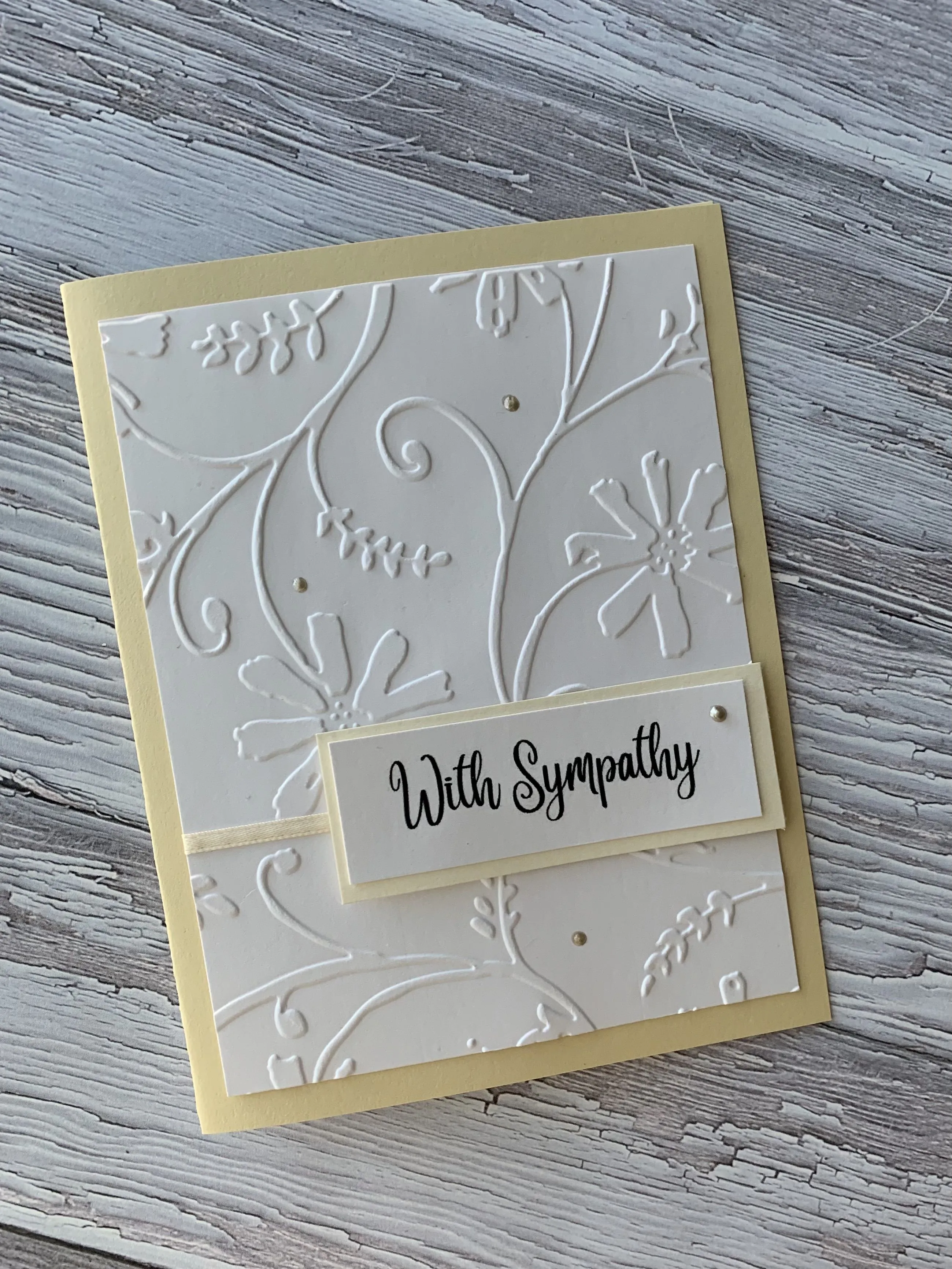
A good condolence message to a husband who lost his wife should be concise and focused on the deceased and the survivor. You do not need to write a long essay to be effective. Focus on the positive attributes of the person who passed or share a brief, warm memory if you have one.
Avoid clichés like "everything happens for a reason" or "she is in a better place." These phrases often diminish the pain rather than soothing it. Instead, lean into honesty and simplicity, such as expressing how much you will miss her presence.
The tone of your message will vary depending on your proximity to the couple. If you are a close friend, your message might be more personal and emotional. If you are a colleague, a professional yet warm tone is often the best approach for a condolence message to a husband who lost his wife.
When writing to a close friend, you can afford to be more vulnerable. Mention how much you admired their relationship or the joy his wife brought into your life. For example: "I am absolutely heartbroken to hear of your loss. She was a radiant person, and I feel so privileged to have known her."
When maintaining a professional relationship, keep the message focused and respectful. You might say: "Please accept my deepest condolences for the loss of your wife. My thoughts and support are with you and your family during this incredibly difficult time."

While words are important, many people find that coupling a condolence message to a husband who lost his wife with a practical offer of help is most beneficial. Grief can make mundane tasks feel overwhelming and impossible to complete. Offering specific assistance helps ease the transition during the initial weeks of mourning.
Instead of saying "let me know if you need anything," offer something concrete. Suggest bringing over a meal, running errands, or assisting with household logistics. This takes the pressure off the husband to identify his own needs while he is experiencing shock.
It is easy to misstep when attempting to provide comfort, even with the best of intentions. The primary goal of a condolence message to a husband who lost his wife is to support him, not to explain his experience. Avoid comparing his loss to your own, as this shifts the focus away from his specific pain.
Do not pressure him to "move on" or "stay strong." These expectations can feel like a dismissal of his grief. Let him know that it is perfectly acceptable for him to feel overwhelmed and that you are there for him regardless of his emotional state.

Many people offer support in the days following the funeral but drift away shortly after. A condolence message to a husband who lost his wife should ideally be the start of ongoing check-ins. Loneliness often sets in after the immediate support network disperses.
Set a reminder to reach out again a month or two after the loss. A simple text or card during the holidays or on her birthday can mean the world to someone who is grieving. Consistent, quiet support is often more valuable than a grand gesture made early on.
Ultimately, your presence and your willingness to listen are the most significant gifts you can provide. Do not fear saying the wrong thing; the act of reaching out is far more important than the specific phrasing you choose.
Remember that he is processing a life-changing event that takes time to navigate. By staying consistent and compassionate, you provide the stability he needs during his darkest moments.

condolence message on death of sister - crafting the right words during such an incredibly difficult time requires genui...

condolence messages for friend - choosing the right words to express sympathy can feel overwhelming when someone you car...
comforting words for a sister who lost her husband - finding the right message is essential when your sibling faces one ...

sympathies and condolences - these are essential social expressions used to offer comfort and validate the grief of some...

comforting messages - are intentional expressions of empathy designed to provide emotional stability and reassurance to ...

condolence message for dad - writing a heartfelt note to someone who has lost their father is a profound gesture of empa...