Dog Condolence Messages: Compassionate Words for Pet Loss
dog condolence messages - finding the right words to comfort someone grieving the loss of a pet is essential when offeri...


What to say for loss of pet - expressing genuine sympathy requires empathy and clarity because many people feel uncertain when a friend loses a companion. Knowing what to say for loss of pet involves acknowledging the depth of the grief while avoiding platitudes that minimize the bond. By focusing on the specific qualities of the animal, you can provide meaningful support during a difficult time.
The loss of a pet is a significant life event that often leaves owners feeling isolated in their mourning. Because society does not always provide the same rituals for pets as it does for humans, your words carry extra weight. Providing validation for their pain is often the most important thing you can offer.
When you are unsure what to say for loss of pet, keeping your message brief and honest is often best. A simple card or a direct message can bridge the gap when you do not have the right words. Focus on the emotional connection rather than trying to fix their pain.
Consider using these straightforward phrases to express your condolences:
Avoid saying things like "it was just a pet" or "you can always get another one," as these phrases can be deeply hurtful. Instead, emphasize that you understand the significance of their companion. Validating the relationship helps the grieving person feel seen and understood.

One of the most effective ways to offer support is to share a fond memory if you knew the pet personally. Recalling a specific moment, like a funny quirk or a gentle personality trait, reminds the owner that their companion was loved by others too. This approach helps shift the focus from the loss to the joy the pet brought into the world.
When you mention a specific detail, it shows that you were paying attention to the bond they shared. You might mention how the cat always greeted guests at the door or how the dog loved chasing tennis balls in the park. These small reflections provide a sense of comfort that generic messages cannot match.
If you choose to write a card, try to be as personal as possible. You do not need to be a poet or a philosopher to write something impactful. Start by stating that you are thinking of them and conclude with a wish for peace during their grieving process.
If you never met the pet, focus your message on the owner’s capacity for love and the care they provided. Acknowledge that the animal lived a full, happy life under their stewardship. This perspective can bring a small measure of relief to someone feeling guilty or overwhelmed by their grief.
Beyond knowing what to say for loss of pet, practical support is often highly appreciated. Many people in deep mourning struggle with daily tasks, making your assistance very valuable. Offering help with chores or simple errands can take the pressure off someone who is emotionally exhausted.
You might consider offering to help with specific needs like:
Consistency is key when supporting someone through grief. A quick check-in message a few weeks after the loss shows that you have not forgotten their pain. Many people receive support during the first few days, but the support often wanes just as the reality of the loss truly sets in.

While your intentions may be good, some common phrases can accidentally minimize the grief. It is important to avoid comparisons to other losses or suggestions that the person should "move on" quickly. Grief is a non-linear process that takes as long as it takes.
Steer clear of these types of comments:
These phrases often dismiss the emotional reality of the situation. Instead, stay present with the person in their sadness. Silence can be a powerful tool; sometimes, just sitting with someone in their grief is the most generous thing you can do.
Recognizing the psychological depth of the human-animal bond explains why the loss of a pet is so devastating. Pets provide unconditional love, routine, and companionship that is often central to an individual's daily life. Losing that source of stability can cause a significant disruption in a person's mental well-being.
When you understand that the grief is a response to the loss of a primary attachment figure, you can be more compassionate. The vocabulary you use should reflect the importance of the life that was lost. Use the pet's name whenever possible, as this validates their individual identity and existence.
Ultimately, learning what to say for loss of pet is about showing respect. By treating the loss with the seriousness it deserves, you help create a safe space for the grieving individual to process their emotions. Your role is not to remove their pain, but to stand beside them while they carry it.
Navigating the conversation around a pet's death requires a balance of empathy and sensitivity. By prioritizing the unique memories of the animal and respecting the owner's individual grieving process, you can provide the support they truly need during their most difficult moments.
Choosing your words carefully, listening more than you speak, and offering practical, low-pressure support will always be the best approach. Your presence and your acknowledgment of their love are the most meaningful gifts you can offer when words feel inadequate.
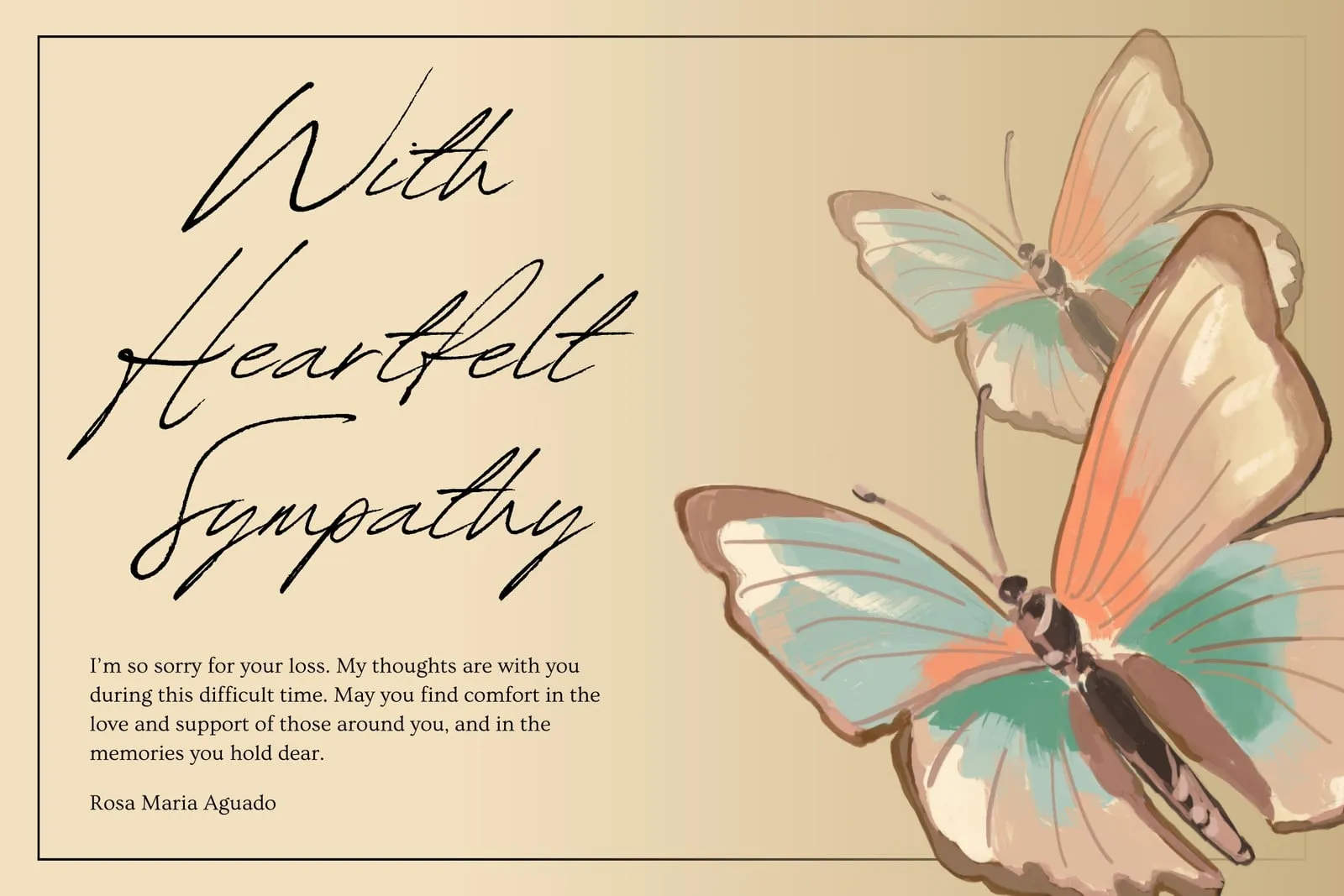
dog condolence messages - finding the right words to comfort someone grieving the loss of a pet is essential when offeri...

sympathy sayings for loss of pet - finding the right words can be deeply challenging when a friend, family member, or co...

words for loss of a pet - Finding the right expression to convey sympathy when a companion animal passes away can be dee...

thank you sympathy messages - these are essential communications sent to acknowledge the kindness, support, and condolen...

condolence message to manager - navigating the delicate balance between professional boundaries and human empathy is ess...

What is the least expensive month for Disney? - The answer typically points toward late January and early February, spec...