Condolence Message Short: Simple Ways to Express Sympathy
condolence message short - Expressing sympathy during times of grief often feels difficult, yet keeping your message con...

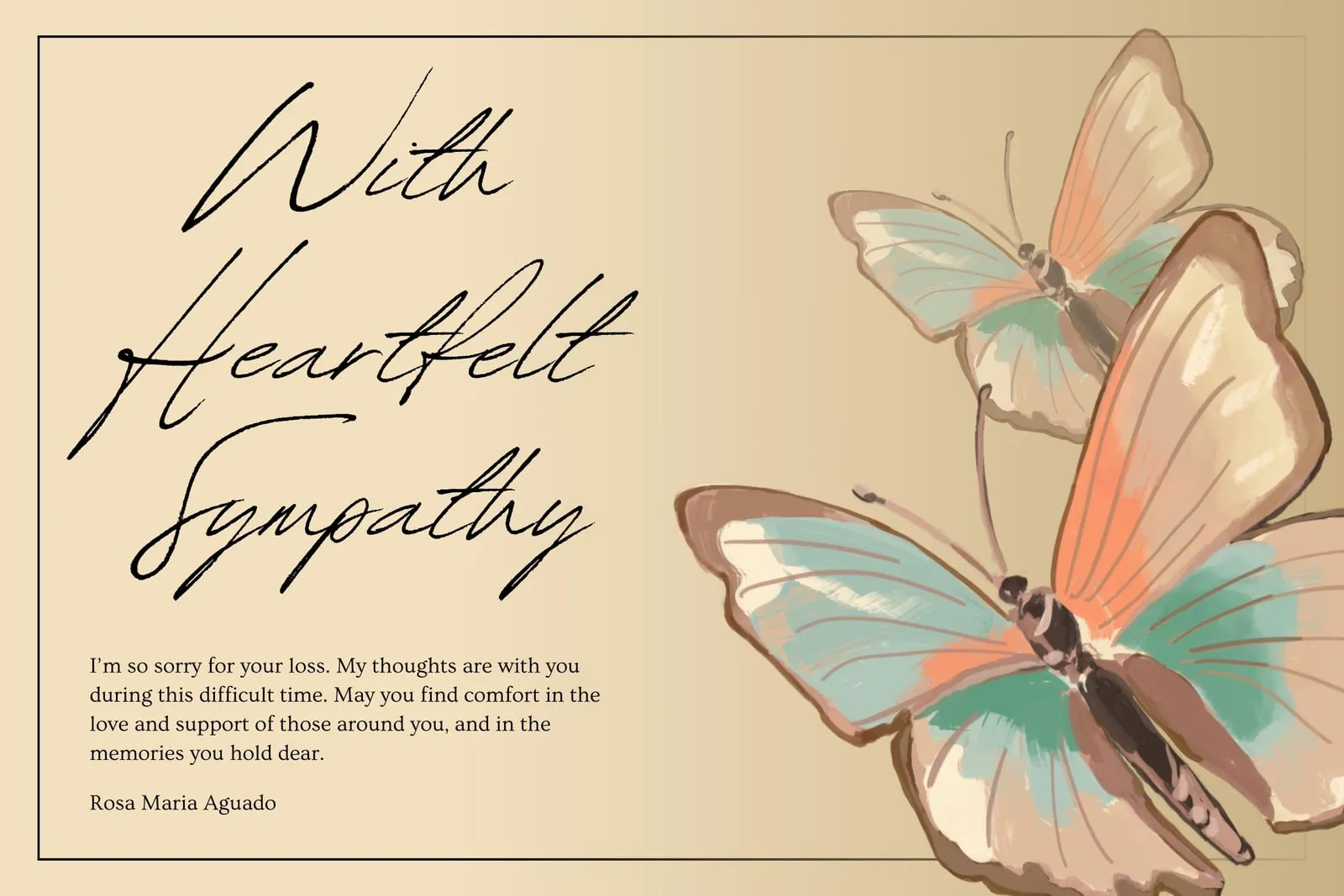
Commiserations message - a formal or informal expression of sympathy shared when someone experiences a loss, failure, or difficult life circumstance. Mastering the art of writing this type of note is essential for maintaining professional relationships and nurturing personal friendships during challenging times. By acknowledging another person's pain or disappointment, you demonstrate empathy and provide a vital emotional anchor.
The tone of your commiserations message must align with your existing relationship with the recipient. A professional acquaintance requires a formal tone, while a close friend often appreciates a more vulnerable, personal approach. Misjudging the level of intimacy can lead to an awkward interaction that feels performative rather than sincere.
Formal messages are ideal for workplace settings or acquaintances where you want to maintain boundaries. Keep these notes concise, respectful, and focused on acknowledging the situation without overstepping emotional limits. Use phrases like "Please accept my condolences" or "I am saddened to hear about your recent loss."
Informal messages allow for more warmth and personal storytelling. If you are writing to a family member or best friend, you can use more casual language and shared memories. These messages prioritize emotional connection over adherence to strict etiquette rules.
Knowing the appropriate timing for a commiserations message is just as important as the content itself. Immediate action is generally expected following a tragedy, such as a bereavement or sudden job loss. Delayed notes can feel like an afterthought, so aim to reach out within 48 to 72 hours.
There are several scenarios where sending a note of support is considered best practice:
If you are unsure whether a situation warrants a note, err on the side of kindness. While some people prefer privacy, very few individuals are offended by a respectful expression of concern. Ensure your delivery method matches the severity of the event; a handwritten card remains the gold standard for significant losses.
In a business context, your primary goal is to remain supportive while maintaining professional decorum. You want to offer comfort without making the situation about yourself or your own experiences. Focus on the recipient's contribution or character to make the note feel genuine and individualized.
A professional note should be direct and acknowledge the situation clearly. Avoid offering unsolicited advice or platitudes that dismiss the reality of their hardship. Stick to these three core components to ensure your message hits the right mark:
If you are writing to a colleague who lost a job, mention their specific strengths and your desire to see them succeed in the future. This transforms a standard sympathy note into a bridge toward their next opportunity. Providing a recommendation or a networking connection is often more helpful than generic words.
The biggest mistake people make is trying to find a "silver lining" where none exists. Phrases like "everything happens for a reason" or "at least you still have your health" can feel dismissive and minimize the recipient's pain. Avoid using toxic positivity as a substitute for actual empathy.
Another pitfall is centering your own experiences. If you have been through something similar, you might feel compelled to share your story, but this often shifts the focus away from the grieving person. Keep the narrative centered entirely on them and their current feelings.

While digital communication is fast, a physical card carries more weight in moments of genuine sorrow. The effort taken to purchase, write, and mail a card shows a level of commitment that a text message or email cannot replicate. It signals that you have dedicated time and mental energy to the person's situation.
Handwritten notes provide a tactile comfort that digital messages lack. The recipient can hold the paper, reread it, and keep it in a meaningful place. When choosing stationery, select neutral colors and high-quality paper to ensure the note feels dignified and appropriate.
Sometimes the best commiserations message is one that respects the recipient's need for solitude. If you offer support, be prepared for the possibility that they may not respond immediately. Grief and professional stress consume a tremendous amount of energy, making social tasks difficult to manage.
Avoid sending multiple follow-up messages asking for a response. Your job as a supportive friend or colleague is to provide the message and then give them the space to process their emotions. If they do reach out later, acknowledge their response with warmth and patience.

Crafting a meaningful message requires empathy, timing, and a sincere desire to support the person experiencing hardship. By avoiding clichés and focusing on personal connection, your words can offer genuine comfort during their most difficult moments.
Always remember that your message should reflect your unique relationship with the recipient. Authenticity will always be more effective than perfectly polished prose, ensuring that your kindness is felt exactly when it is needed most.
condolence message short - Expressing sympathy during times of grief often feels difficult, yet keeping your message con...

condolence message to a neighbour - providing comfort during a difficult time requires a balance of empathy, respect, an...

condolence message for grandfather - finding the right words to express your sympathy during a time of grief is essentia...

condolence messages for uncle - finding the right words to express your sympathy after the loss of an uncle can be chall...

sympathy card messages for loss of wife - these notes serve as a vital lifeline of support for a grieving husband naviga...

condolence message to a husband who lost his wife - finding the right words to express your sorrow is a delicate task th...